The June 12 Military History More Americans Should Know
June 12 is an important date in American military history.
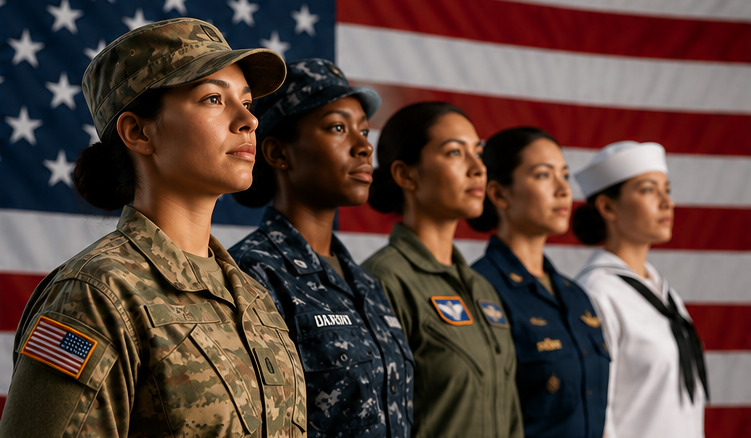
It is remembered by many states and organizations as Women Veterans Day, a day to recognize the service of women who wore the uniform and helped shape the modern U.S. military.
The date was not chosen at random. On June 12, 1948, President Harry Truman signed the Women’s Armed Services Integration Act. That law allowed women to serve as permanent, regular members of the Army, Navy, Marine Corps, and Air Force.
That may sound obvious today. It was not obvious then.
Before that law, women had served in major ways, especially during wartime, but their place in the military was often treated as temporary, limited, or conditional. The 1948 law marked a turning point. It did not create full equality overnight, but it helped move women’s military service from the margins into the permanent structure of the armed forces.
Women Served Long Before 1948
The story of women in the military did not begin in 1948.
Women supported the American military from the earliest days of the country. They served as nurses, clerks, code breakers, drivers, pilots, intelligence workers, mechanics, communications specialists, and in many other roles.
During World War I and World War II, women’s service became impossible to ignore. They filled critical jobs, supported military operations, cared for the wounded, and helped keep the war effort moving.
The problem was not whether women could serve. They already had.
The problem was whether the country would recognize their service as permanent, professional, and essential.
What Changed After June 12, 1948
The Women’s Armed Services Integration Act helped make women a permanent part of the regular armed forces.
That did not mean barriers disappeared. Women still faced limits on assignments, promotions, combat roles, career opportunities, and recognition. Many women who served had to prove themselves in ways their male counterparts did not.
But the law mattered because it changed the starting point.
Women were no longer simply wartime helpers who could be pushed out when the emergency ended. They were part of the regular military.
That shift helped open the door for generations of women who would serve in Korea, Vietnam, the Gulf War, Iraq, Afghanistan, and missions around the world.
Why Women Veterans Day Matters
Women Veterans Day is not just about history. It is about recognition.
Many women Veterans still report feeling invisible in spaces that are supposed to honor Veterans. Some are asked whether their husband served. Some have their own service overlooked. Some face assumptions that they were not in combat, did not deploy, or did not experience the same risks and demands as men.
Those assumptions are wrong.
Women have served in nearly every kind of military environment. They have deployed, led, maintained aircraft, treated casualties, gathered intelligence, served on ships, operated equipment, supported combat operations, and carried the same stress of separation, danger, and transition home.
Women Veterans Day is a reminder to see that service clearly.
Women Veterans Today
VA says more than 2 million women Veterans live in the United States, and more than 600,000 receive VA health care each year.
VA also recognizes that women Veterans may have health needs that require specific attention, including primary care, reproductive health care, maternity care, mental health care, military sexual trauma-related care, pain care, musculoskeletal care, and long-term condition management.
That matters because military service does not affect every Veteran the same way. Good care should recognize the Veteran’s actual service, actual medical needs, and actual lived experience.
The Gap Between Service and Recognition
One of the challenges for women Veterans is that many do not use the benefits or services they earned.
Some may not know they are eligible. Some may have had bad experiences. Some may not think of themselves as “real Veterans,” even after years of service. Others may be uncomfortable seeking care in systems that historically focused more heavily on men.
That gap matters.
A Veteran should not have to fight to be recognized as a Veteran.
Records Still Matter
Military history is made up of records, stories, and people.
For women Veterans, records can be especially important because their service has too often been minimized or misunderstood. A DD-214, service treatment records, deployment records, personnel records, medical records, performance evaluations, and lay statements can help preserve the truth of what happened.
Those records may matter for health care, family history, employment, discharge upgrades, VA benefits, or appeals.
They can also matter because memory fades, institutions change, and assumptions can be wrong.
A Light Note for Women Veterans
Women Veterans should not assume they are ineligible for VA care or benefits.
If military service caused or worsened a physical or mental health condition, the Veteran may want to review whether VA benefits apply. If VA denied a claim, assigned a rating that seems too low, or overlooked important records, the decision may be worth reviewing before the appeal deadline passes.
The key is not to let anyone else define the value of your service.
Bottom Line
Women Veterans Day is a reminder that women’s military service is not a footnote. It is part of the main story.
June 12, 1948, marked a major legal step forward, but the service came long before the law and continued long after it. Today’s women Veterans are part of a history built by nurses, mechanics, pilots, commanders, intelligence professionals, medics, logisticians, and countless others who answered the call.
Their service deserves to be seen, remembered, and respected.
This article is for general information only and is not legal advice. Reading this article or contacting our office does not create an attorney-client relationship unless we agree to representation in writing.
Sources
- VA: 100 Years of Health Care for Women Veterans
- VA: Women Veterans Health Care
- Women’s Armed Services Integration Act
- Women Veterans Day