Why the Strait of Hormuz Is Constantly in the Headlines
The Strait of Hormuz is a small body of water with an enormous impact.
It sits between Iran and Oman, connecting the Persian Gulf to the Gulf of Oman and the Arabian Sea. On a map, it does not look very large. But in global politics, energy markets, and military planning, it is one of the most important places in the world.
That is why the Strait of Hormuz is back in the headlines again.
As of June 7, 2026, Reuters is reporting that U.S. troops and their families are adjusting to a prolonged and tense standoff with Iran, while the U.S. Navy maintains pressure in the region and shipping through the Strait of Hormuz remains a central issue. The conflict is not just a foreign-policy story. It is a military story, an economic story, and a family story for the service members deployed in and around the region.
Why the Strait of Hormuz Matters
The Strait of Hormuz is often called an oil chokepoint.
That means a huge amount of global energy moves through a narrow geographic passage. According to the U.S. Energy Information Administration, the Strait of Hormuz is one of the world’s most important oil transit chokepoints by volume.
When the strait is open and stable, most Americans barely think about it. When tensions rise, the world pays attention quickly.
That is because disruption in the Strait of Hormuz can affect shipping, oil prices, military deployments, regional security, and diplomatic negotiations. A crisis there does not stay local for long.
A Narrow Waterway With Global Reach
The geography is what makes Hormuz so important.
The Persian Gulf contains major oil and gas exporters. To reach open ocean routes, tankers often have to move through the Strait of Hormuz. That makes the waterway strategically valuable and politically sensitive.
For the U.S. military, that means the region has long required naval presence, air defense planning, surveillance, logistics, and coordination with allies.
The Navy is usually the branch most visibly associated with maritime security in the strait, but this kind of mission can involve multiple branches. Sailors, soldiers, airmen, Marines, Guardians, Coast Guard personnel, intelligence professionals, medical teams, logistics units, and support personnel may all play a role in keeping forces ready.
Modern conflict rarely belongs to one branch alone.
Why This Is in the News Now
Current reporting describes a tense and uncertain military situation involving the United States, Iran, regional allies, shipping routes, and negotiations.
Reuters reported on June 7 that U.S. troops and families are adjusting to what it called a new normal in the Iran conflict. The report described continued low-intensity hostilities, U.S. naval operations, obstructed shipping through the Strait of Hormuz, and the strain placed on troops and families.
That last part matters.
When people read about a conflict, they often focus on maps, missiles, ships, oil prices, and statements from government officials. But behind every headline are service members standing watch, maintaining aircraft, operating radar systems, loading supplies, monitoring communications, treating the injured, and waiting for orders.
There are also families at home trying to live normal lives while the situation remains uncertain.
The Military Side of a Shipping Crisis
A shipping crisis may sound like a commercial problem, but it can quickly become a military problem.
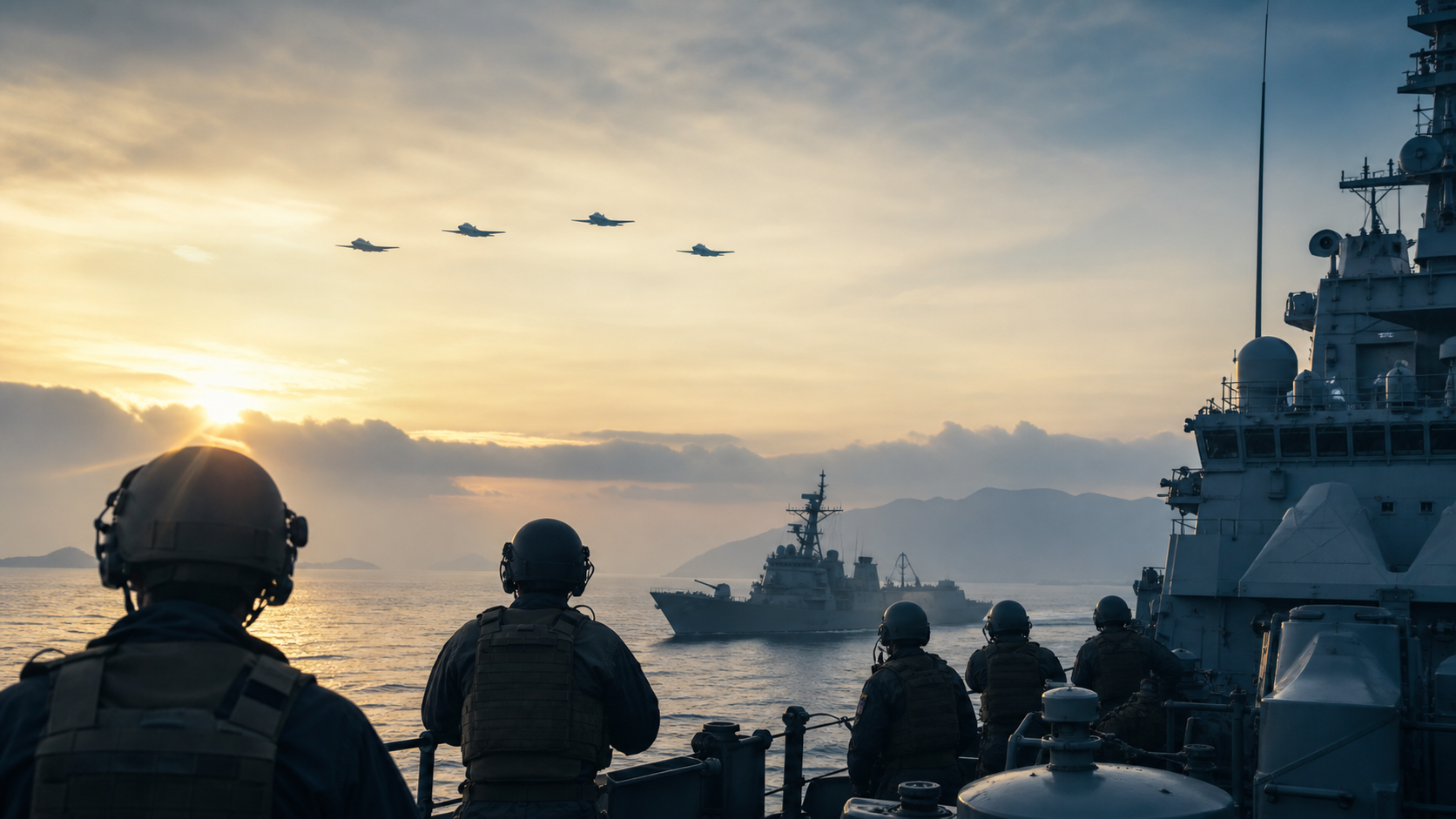
If drones, missiles, mines, fast boats, or coastal weapons threaten vessels, the mission becomes more complex. Naval forces may have to protect shipping lanes, watch for threats, intercept drones, coordinate with allies, and keep aircraft and ships ready.
That kind of readiness is not dramatic in the movie sense. Much of it is repetitive, technical, stressful, and exhausting.
It means long hours. It means constant monitoring. It means preparing for things that may never happen, while knowing they could happen quickly.
That is one reason current conflicts can be so hard on service members. The stress does not only come from combat. It can also come from the sustained pressure of being ready for escalation at any time.
Why Veterans Watch These Stories Closely
Many Veterans watch current conflicts differently than the general public.
For some, headlines about Iran, the Persian Gulf, drones, missiles, deployments, and naval operations bring back memories of their own service. They may remember long deployments, tense watches, incoming alarms, convoy routes, flight lines, shipboard operations, or the uncertainty of waiting.
Others may think about younger service members now facing the same kind of pressure they once knew.
That is one reason military current events matter. They are not abstract. They connect directly to people who served, people currently serving, and families who carry the stress alongside them.
What This Moment Reminds Us
The Strait of Hormuz is a reminder that geography still matters.
Even in an age of satellites, cyber operations, drones, and long-range missiles, narrow waterways can shape world events. A few miles of sea can affect oil prices, military deployments, international negotiations, and the daily lives of service members thousands of miles from home.
It is also a reminder that modern military service is not always defined by a single battle. Sometimes it is defined by presence, deterrence, readiness, and long periods of uncertainty.
That kind of service can still take a toll.
A Light Note for Veterans
For Veterans, current events like this can also be a reminder that service records matter.
Deployments, assignments, shipboard service, exposure history, medical visits, incident reports, and lay statements can become important years later. Not every Veteran needs to think about benefits every time they read the news, but it is worth remembering that the details of service can matter long after the mission ends.
If a Veteran later has health issues connected to service, the records that show where they served and what they experienced may become important.
Bottom Line
The Strait of Hormuz is back in the headlines because it sits at the intersection of military power, global energy, regional conflict, and international diplomacy.
For the public, it may look like a narrow waterway on a map. For service members, it can mean long deployments, high readiness, and real risk. For families, it can mean uncertainty at home. For Veterans, it may be another reminder that today’s headlines often become tomorrow’s service history.
This article is for general information only and is not legal advice. Reading this article or contacting our office does not create an attorney-client relationship unless we agree to representation in writing.
Sources
- Reuters: U.S. troops and families adjust to Iran conflict, June 7, 2026
- U.S. Energy Information Administration: World Oil Transit Chokepoints
- U.S. Energy Information Administration: Strait of Hormuz oil transit analysis
- Encyclopaedia Britannica: Strait of Hormuz