
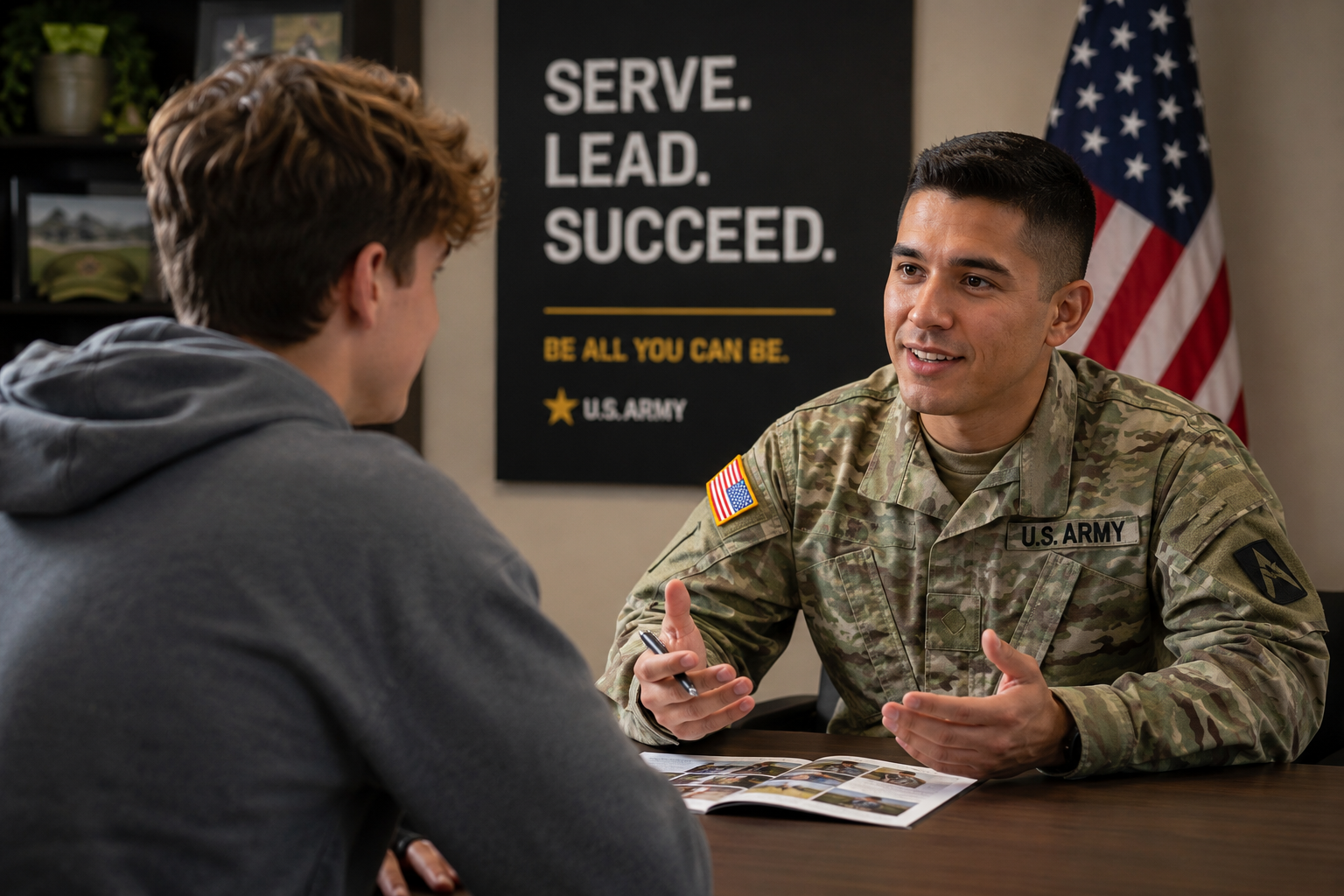
Military Recruiting Is Rebounding: What the New Enlistment Numbers Mean
After several difficult years, U.S. military recruiting appears to be rebounding.
That is a major change.
Not long ago, recruiting shortfalls were one of the biggest personnel problems facing the armed forces. The Army, Navy, and Air Force all struggled to meet goals in the years after the COVID-19 pandemic. Recruiters faced a smaller pool of eligible young Americans, a strong civilian job market, medical screening delays, academic and fitness problems, and declining interest in military service.
Now, the story looks different.
Recent reporting shows that recruiting numbers have improved across several branches. The Army, Navy, Air Force, Marine Corps, and Space Force have all seen signs of recovery. Some services have met recruiting goals earlier than expected, and the military is now discussing growth instead of just trying to stop the bleeding.
That is good news for military readiness.
But it does not mean the recruiting problem is over.
The Shift From Crisis to Rebound
The military recruiting crisis did not happen overnight.
The pandemic disrupted high school visits, in-person recruiting, fitness preparation, testing, medical processing, and normal outreach. At the same time, many young Americans had more civilian options, fewer direct family connections to the military, and more uncertainty about whether service was worth the risk.
The result was a difficult recruiting environment.
In 2022 and 2023, the Army missed recruiting goals by large margins. The Navy and Air Force also struggled. The Marine Corps generally performed better, but even the services that met goals were operating under significant pressure.
By 2024 and 2025, the picture began to improve.
The Army made a major comeback. The Air Force and Space Force improved. The Navy worked to rebuild its delayed-entry pool. The Marine Corps continued to emphasize standards and a strong recruiting culture.
By 2026, the conversation had changed enough that the military was no longer only talking about shortfalls. It was talking about growing the force.
What the Current Numbers Show
Business Insider reported in April 2026 that the U.S. military wants to grow by another 44,500 troops in the coming year, based on new budget documents.
That proposed growth included:
- 15,000 more active-duty Army soldiers,
- 3,300 more Army National Guard soldiers,
- 11,700 more Air Force personnel,
- 12,000 more Navy personnel,
- 1,400 more active-duty Marines,
- and 1,100 more Marine reservists.
The same reporting noted that the Air Force had already hit its recruiting goal of 32,000 Air Force and Space Force recruits five months early. It also noted that the Army had previously reached its goal of more than 61,000 soldiers months early.
That is a major turnaround from the recruiting crisis narrative of just a few years ago.
Why the Rebound Matters
Military recruiting numbers matter because the all-volunteer force depends on people choosing to serve.
There is no active draft. The United States relies on volunteers to fill the Army, Navy, Air Force, Marine Corps, Space Force, Coast Guard, National Guard, and Reserve components.
When recruiting misses goals, the effects can spread across the force.
Units may be undermanned. Deployments can become harder to manage. Existing service members may carry more of the burden. Training pipelines can be disrupted. Readiness can suffer. Recruiters themselves may face intense pressure to fill the gap.
When recruiting improves, the military has more flexibility.
A healthier recruiting pipeline can reduce stress on the force, improve manning, support modernization, and help the military prepare for future missions.
Why Recruiting Improved
There is not one single reason recruiting improved.
Several factors appear to be working together.
First, the services changed how they recruit. The Army and Navy created preparatory programs to help some applicants improve academically or physically before basic training. These programs opened the door for people who wanted to serve but needed help meeting entry standards.
Second, delayed-entry pools improved. A stronger delayed-entry pool gives recruiters a better starting point for the next fiscal year.
Third, recruiting processes became more aggressive and more refined. The Army has invested in new recruiting strategies, data tools, lead generation, and changes to the recruiting enterprise.
Fourth, the civilian economy may have played a role. When civilian job opportunities feel less stable or less attractive, military service may look more appealing to some young people.
Fifth, pay, benefits, education opportunities, job training, travel, and a desire for purpose still matter. For many recruits, the military remains a path to structure, training, identity, and opportunity.
The Long-Term Problem Is Still Real
Even with improved recruiting numbers, the long-term challenge remains.
AP reported that only about 23% of young adults are physically, mentally, and morally qualified to serve without a waiver. That is a serious problem.
Many young Americans are screened out because of:
- obesity,
- medical conditions,
- mental health history,
- drug use,
- criminal history,
- academic issues,
- low test scores,
- or physical fitness problems.
Even among those who are qualified, many are not interested in military service.
That means the military is not just competing with other employers. It is competing against a shrinking eligible population and a cultural environment where fewer young people feel connected to military service.
The Role of Prep Courses
One of the biggest changes in recent years has been the use of preparatory programs.
The Army’s Future Soldier Preparatory Course and the Navy’s similar efforts are designed to help prospective recruits improve test scores, fitness, or both before entering basic training.
These programs have helped expand the pool of people who can qualify.
Supporters argue that they give motivated young people a chance to serve when they might otherwise be rejected. Critics worry that the services may be relying too heavily on programs that blur the line between helping applicants qualify and lowering standards.
That debate is important.
The military needs people. But it also needs people who can meet the demands of service.
The key question is whether these programs are producing recruits who can succeed, serve safely, and strengthen the force.
The Marine Corps Example
The Marine Corps has continued to present itself as a service built around high standards and a demanding identity.
AP reported in 2025 that the Marine Corps met its recruiting goals, bringing in 30,536 enlisted Marines and 1,792 officers. Marine leaders emphasized the Corps’ standards, culture, and recruiting identity as part of that success.
That does not mean Marine recruiting is easy.
Recruiting is hard across the force. But the Marine Corps has often benefited from a clear brand: it does not try to appeal to everyone. It appeals to people who want the challenge of becoming a Marine.
That lesson matters.
Military recruiting is not only about numbers. It is also about identity.
Recruiting Pressure Has a Human Cost
When recruiting numbers are bad, the pressure does not fall only on senior leaders.
It falls on recruiters.
Recruiting duty can be exhausting. Recruiters often work long hours, face constant quotas, and deal with rejection, family strain, and pressure from the chain of command.
Even when the services meet goals, the strain can remain hidden.
A good recruiting year does not automatically mean recruiting duty is healthy or sustainable.
That matters because recruiters are often the first face of the military for young people and families. If the system burns out recruiters, the military may solve one problem while creating another.
What This Means for Future Service Members
For young people thinking about enlisting, the current moment may present opportunity.
Services that want to grow may offer more openings, more job options, more bonuses in certain fields, or more pathways for people willing to meet the standards.
But applicants should still be careful and informed.
Before signing a contract, a future service member should understand:
- the job code,
- training requirements,
- contract length,
- active-duty or reserve obligation,
- bonus terms,
- education benefits,
- medical and fitness standards,
- duty-station possibilities,
- security clearance requirements,
- and what happens if training is not completed.
A recruiting rebound does not change the seriousness of enlistment.
Raising your right hand is a major decision.
Why Veterans Should Care
Veterans should care about recruiting numbers because today’s recruits become tomorrow’s service members and future Veterans.
The quality of the force affects the military’s future. It also affects how the country understands service, sacrifice, benefits, transition, and Veteran care.
Recruiting numbers also reveal something about the connection between the military and civilian society.
When fewer young people serve, the civil-military gap grows. Fewer families understand military life. Fewer communities have direct experience with service. That can affect public support for the military and public understanding of Veterans after they return home.
A healthier recruiting pipeline can help maintain that connection.
A Light Note About Veterans Benefits
Recruiting numbers are not just a manpower story.
They are also a future Veterans story.
Every person who enlists may one day transition out. Some will leave with injuries. Some will leave with mental health conditions. Some will need help using the GI Bill. Some will file VA disability claims. Some will need health care, career transition support, housing help, or family benefits.
If the military grows, the country must also be prepared to support the people who served after they leave the uniform.
That means VA, Congress, Veterans organizations, and accredited representatives should pay attention not only to enlistment numbers, but also to the long-term care and benefits system that follows military service.
The commitment does not end at recruitment.
It continues through transition, health care, disability benefits, education, employment, and retirement.
Bottom Line
Military recruiting numbers are improving.
After years of shortfalls and concern about the future of the all-volunteer force, several branches have rebounded, and the military is now discussing plans to grow by tens of thousands of troops.
That is a meaningful shift.
But the long-term challenge remains. The eligible youth population is still limited. Interest in service remains uneven. Recruiting duty remains stressful. Prep programs may help, but they also raise questions about standards and sustainability.
The military is moving from crisis to cautious recovery.
For Veterans, future service members, and families, the key is to understand both sides of the story: the numbers are better, but the deeper recruiting challenge is not fully solved.
This article is for general information only and is not legal advice. Reading this article or contacting Warrior Benefits Law does not create an attorney-client relationship unless we agree to representation in writing.
Sources
- Associated Press: Military recruiting rebounds after several tough years, but challenges remain
- Associated Press: Marines say they hit recruiting goals and point to “unapologetic” standards
- Business Insider: Recruiting is up. Now the US military wants to grow the force by another 44,500 troops
- The Guardian: U.S. Army raises upper age for recruits to 42 and scraps marijuana restrictions
- Vox: America isn’t ready for another war because it doesn’t have the troops